
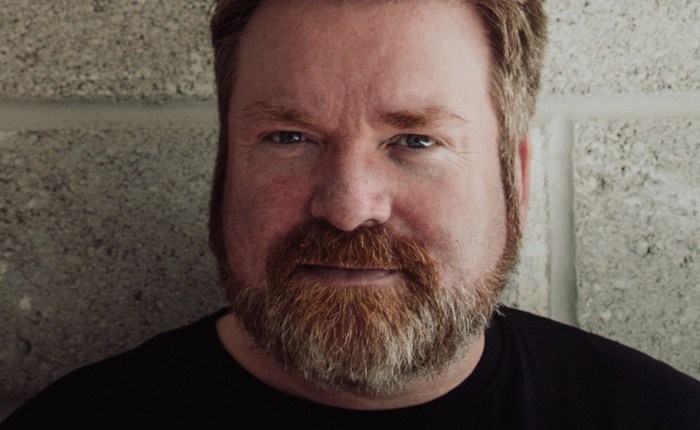
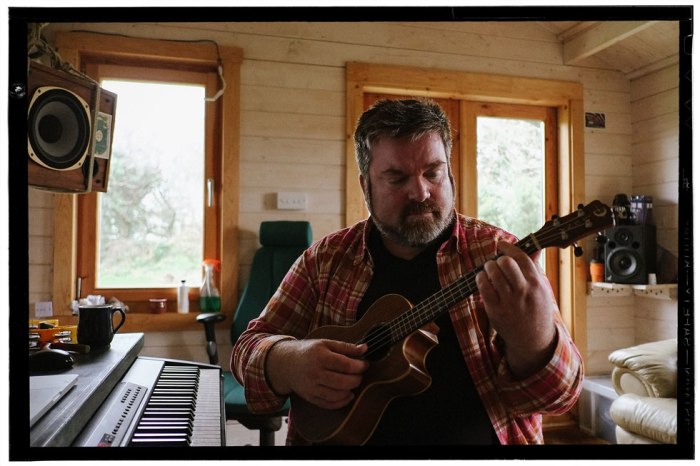
Our second SEK Spotlight features musician Matthew George. Matthew has been a tutor on the Scratch Electric Programme at our Livewire Youth Music hub in Saltash. From a young age he aspired to a career in music and since then has dedicated his time to expanding his skills and knowledge. Find out his thoughts on the importance of developing as a musician…
1. Name/Job Title:
My name is Matthew George, and I am a tutor for the Saltash group of Scratch Electric Kernow.
2. Describe your current involvement with music:
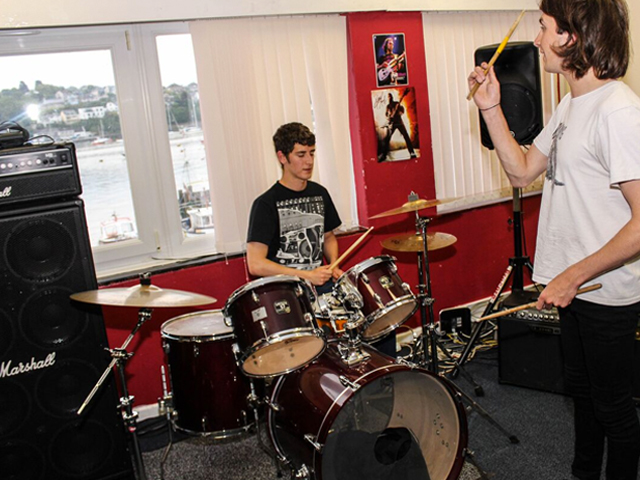
I am a dedicated musician who is constantly honing his skills and looking for new outlets. I regularly perform around the Plymouth area as part of an acoustic duo; this is one of my more recent ventures, following a number of other musical groups I have been in over the years, including a country duo, an extreme metal band, and a more traditional rock act. I teach various musical skills (guitar, bass, drums, theory, and production) at Livewire Youth Music Project in Saltash. This is an amazing opportunity for me to pass on the skills I have honed, and to directly improve the lives of young people.
3. How did you achieve a career in music?
From a young age I knew music was going to be a huge part of my life. And also from a young age, to achieve a musical career, I knew that first and foremost, one must be highly proficient at music. So I made sure to implement a strict practise schedule which I followed, and still do follow. Once I developed the necessary skills and techniques, it became a case of being able to seize the opportunities around me. If you put your heart into everything you do, people will pick up on that. And if you do a good job, one thing can lead to another. It’s always important to keep striving for more, to keep striving to be a better and more diverse musician. If music is your aspiration, you have to be prepared to give it your all.
4. Who are your musical idols and why?
When I was growing up, at school, it was all about bands like Red Hot Chili Peppers, Foo Fighters, Metallica and Nirvana. This was my first real exposure to rock music, which got me into playing guitar. I was always intrigued by how this style of music could portray such emotion, in a really raw and powerful way. From there, my tastes became more technical; I became a fan of Progressive Metal such as Opeth and Dream Theater, and this progressed quickly to a deep love for even more complex bands such as Animals as Leaders and Periphery. The stimulation I got from listening to such creative and experimental music was second to none. As my ear became more focused, it allowed me to appreciate all the layers of this music as intended, yet it still retained the emotion that drew me to music in the first place. Recently I have got into contemporary jazz such as Robert Glasper, which delivers that same experimental, complex vibe with a fresh electronic aesthetic.
5. What are your future music aspirations?
I want to continually improve my skills and release some original music at some point in 2019.
6. Why do you think the Scratch Electric project is beneficial to young musicians?
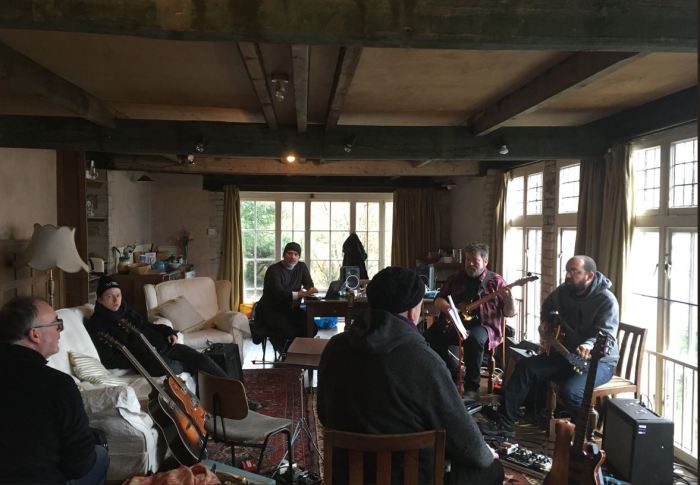
Scratch Electric is an incredibly unique project for young musicians. First and foremost, it brings large numbers of them together, and they can all share knowledge and be inspired by each other. Everyone has their own unique style, and being exposed to so many others in one room can be incredibly eye opening. Traditionally you would expect maybe two or three young guitarists maximum to be jamming together at one time. However when you have 30-40, there are so many different things to learn. You can’t just power through at full throttle; no single person is in the spotlight. You really learn to appreciate space, and you learn to get creative, to craft a part that will add a unique texture to everything else that is going on. It really pushes you out of your comfort zone, and the result is extremely rewarding – and these concepts can then be brought back to your own music when you get home after the session.
![SEK WS 12[17304]](https://scratchelectric.com/wp-content/uploads/2018/09/sek-ws-1217304.jpg?w=700)
7. What advice do you have for young musicians wanting to pursue a career in music?
There is no substitute for hard work. If you want to be an amazing musician, you’re going to have to work for it. Be open minded, and seek inspiration from many sources. The more well rounded you are, the better your own music will sound, and also you’ll be much more employable. You never know what opportunities you might be offered, and you have to be ready to conquer them, even if they’re slightly out of your comfort zone. Everyone has their preferred genres, but the language of music is universal – If you’re technically proficient, and know some basic music theory, you’ll find it much easier to jump straight into most musical situations, regardless of what your preferences are. And I believe that is really important in forging a career for yourself, especially in the early stages where openings can be hard to come by. You could be a really talented person with so much to offer the world, but if you have to turn down a major jazz gig because you can’t play a 9th chord, or you have to turn down the offer to produce an up and coming band’s debut record because you don’t know anything about their particular strain of indie rock, then you are missing out. Be over-prepared and don’t be afraid to try new things; you never know where they might lead you.
 Scratch Electric